Preparing Your Roof for Peak Hurricane Season
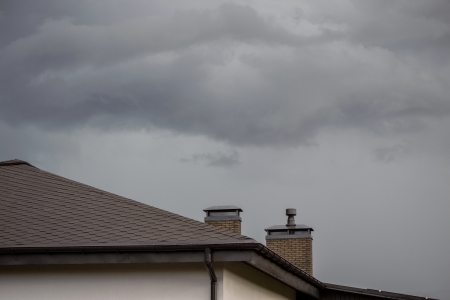
Peak storms do not wait for your schedule. Hurricane roof preparation in DeLand, FL begins with a professional plan that protects your home before the winds arrive. If you want an expert set of eyes on your roof and a clear action list, start by reviewing our local roofing services for DeLand so you know what to expect from a qualified crew.
Why Hurricane Roof Preparation in DeLand, FL Matters
DeLand neighborhoods like Victoria Park, Glenwood, and the Stetson University area see fast-moving gusts during summer squalls and the heart of hurricane season. The Atlantic season runs June through November, and our highest risk typically clusters from late August into October. Preparation limits leaks, blown shingles, and water intrusion that can spread into ceilings and walls. A planned visit from a roofing contractor gives you a prioritized list and time to fix small issues before they become big problems.
What a Professional Roof Inspection Covers Before Peak Season
A pre-storm inspection by an experienced roofing contractor is not a quick glance from the driveway. It is a structured assessment that focuses on known points of failure and how wind-driven rain will move across your specific roof lines.
- Flashing at chimneys, dormers, skylights, and roof-to-wall transitions to confirm it is tight and sealed.
- Shingles or tiles that are loose, lifted, cracked, or missing, plus edges that could peel in high winds.
- Ridge caps, vents, pipe boots, and fasteners that may have aged gaskets or corrosion.
- Decking soft spots, exposed underlayment, and signs of prior leaks in the attic sheathing.
- Gutter capacity and downspout discharge that may push water toward the foundation during heavy rainfall.
Never climb on your roof to inspect after a storm. A trained roofer uses safety equipment and understands how to walk different materials without causing more damage. Your contractor will document findings with photos and outline the next steps in order of urgency.
Securing Flashing and Shingles the Right Way
High winds often start damage at edges and penetrations. Your roofer will evaluate how the wind meets your eaves, rakes, and ridges, then focus reinforcement where it delivers the most benefit.
Expect your roofing contractor to resecure loose flashing with the correct sealants and fasteners, replace failing pipe boots, and confirm that ridge caps are seated. Where shingles show lift or broken sealant strips, a technician may remove and replace affected pieces or hand-seal edges so wind cannot get underneath. They will check nailing patterns and use corrosion-resistant fasteners where needed. Ask for corrosion-resistant fasteners and hand-sealed shingle edges where needed so your repairs last through repeated squalls.
For homes near open exposures like Beresford or Blue Lake, your roofer may recommend additional edge protection or a sealed roof deck upgrade. These improvements are planned work, not emergency patches, and they are scheduled before the forecast turns active.
Managing Trees and Yard to Protect Your Roof
Storm damage often comes from branches, not just wind. Work with a certified arborist to trim back limbs that hang over the roof and remove deadwood around oaks and pines common in DeLand. This reduces impact points and keeps small branches from scouring shingles in a sustained blow. Keep limbs cut back by a qualified pro to prevent impact damage.
Ask your roofer to check for scuffing or granule loss in areas where past branches touched the roof. They can reseal minor areas or replace components before those weak spots widen under wind-driven rain. Tidy the yard by having heavy items like grills or planters secured so they do not become airborne and strike eaves or gutters.
Preventative Maintenance and Scheduling in Volusia County
Good maintenance is your first defense. Your roofing contractor will refresh sealant at flashing terminations, resecure any loose trim, and confirm that attic ventilation is balanced so pressure changes do not lift components during gusts. They may also provide professional gutter cleaning and roofline debris removal as part of a scheduled service visit. Timing matters in DeLand, where afternoon thunderstorms can arrive daily in late summer. Schedule early so you are on the calendar before watches are issued.
Local tip: Our storm risk often spikes from late August through October. Book your roof assessment several weeks ahead so parts are on hand and repairs are completed before the first named system nears Florida.
If your home is older or has complex features like multiple valleys, plan a follow-up check after the first severe system passes. Your roofer will verify that seals held, clear any lodged debris at valleys, and confirm ridge vent integrity. The goal is prevention, then verification.
Upgrades and Materials That Improve Storm Performance
Not every improvement requires a full reroof. Your contractor can recommend targeted upgrades that raise wind resistance over time, often completed in separate service visits.
- Secondary water barrier or sealed roof deck at vulnerable sections to block wind-driven rain if shingles are disturbed.
- High-wind rated shingles or tiles in repair zones that have historically lifted.
- Enhanced ridge ventilation with baffles that shed rain while relieving attic pressure.
- Stronger edge details at eaves and rakes to reduce peel-up risk.
These choices vary by roof age, material, and geometry. Your roofer will balance performance and budget so you get the most protection where it counts. For a broad overview of hurricane roof preparation basics in one place, you can also revisit our home page as you plan your next steps.
Documentation, Photos, and Your Emergency Plan
Good records speed insurance conversations after a storm. Ask your roofing contractor to provide dated photos that show the roof condition before peak season and after any maintenance visit. Keep files in cloud storage so you can access them if power is out.
- Pre-storm roof photos with clear views of ridges, valleys, penetrations, and edges.
- Maintenance invoices and a brief summary of work completed.
- Serial numbers or product names for any installed components like vents or underlayments.
- Your contractor’s emergency contact and preferred claims notes so adjusters know who serviced the roof.
Do not perform temporary patches on your own. Contact your roofer to assess conditions and install professional-grade covers or repairs that will not void warranties or cause extra damage.
How ACC Roofing Supports DeLand Homeowners
ACC Roofing focuses on clear communication, careful inspections, and practical repairs that prepare your home for the heart of the season. We serve homes from Historic Downtown to Victoria Park and the Stetson area, tailoring recommendations to roof age, pitch, and material. If we see a concern, we explain why it matters, show you photos, and outline options based on your goals. When you are ready to take action, explore the scope of our local service on the DeLand roofing page for details about inspections and storm-readiness work.
Have questions or need to confirm availability before the next system? Call us at 386-668-0750, and our team will help you pick the right next step and schedule a time that works.
Your Next Steps Before Peak Season
Preparation is about doing the right things in the right order. Start with a professional inspection, address flashing and shingle vulnerabilities, coordinate tree work, and build your documentation file. With those boxes checked, your roof is ready to handle what the season brings.
When you want a local roofing contractor in DeLand who understands how our winds move across your roof lines, schedule a visit through our roofing services for DeLand. We will inspect, document, and strengthen the critical areas before the forecast turns active.
For hurricane roof preparation in DeLand, FL, connect with ACC Roofing today.