Essential Roofing Tips for Florida Homeowners in DeLand, FL
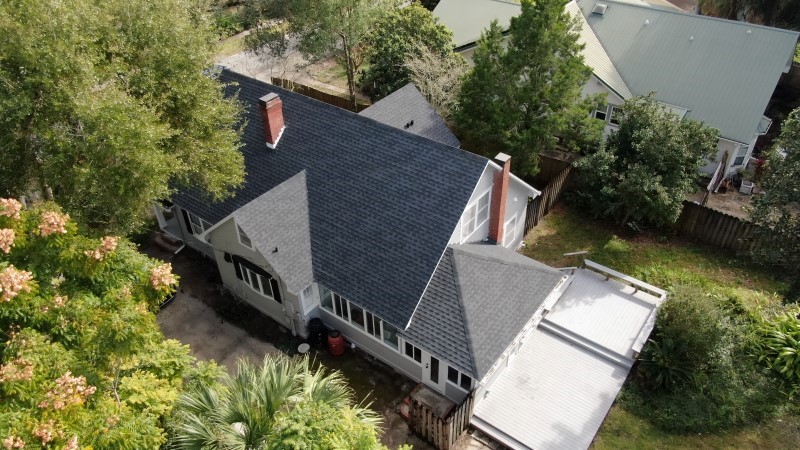
Florida weather is beautiful, but tough on roofs. If you own a home in DeLand, summer heat, high humidity, daily downpours, and the long hurricane season can push your roof to its limits. That’s why it pays to understand how Florida’s climate affects materials, ventilation, and waterproofing, and why working with a local expert matters. For a deeper look at services tailored to our area, explore Deland Roofing to see how a pro team protects homes like yours.
How Florida’s Climate Shapes Roof Performance
Roofs in Central Florida take on intense UV, salt-laced coastal air that drifts inland, and sudden temperature swings after afternoon storms. UV exposure dries out oils in asphalt, can fade pigment on metal and tile, and gradually weakens sealants around vents and skylights.
Humidity plays a role, too. Warm, moist air tries to escape through your attic. If it can’t, it condenses on cooler surfaces and stresses the decking from the inside. Over time, that moisture accelerates wear, fuels algae staining, and can shorten the life of your roofing system.
Never ignore a drip, stain, or musty smell anywhere near ceilings or walls. In our climate, small moisture issues often grow quickly, especially after a week of afternoon storms.
Choose Materials Built for Heat, Sun, and Storms
Material quality and design matter more in Florida than almost anywhere else. Lighter colors and reflective coatings can help reduce heat gain. Metal and tile handle the sun well when installed with proper underlayment, fastening, and flashing. Premium architectural shingles with algae resistance and reinforced bonding strips offer better wind hold and longer color retention.
Ask your roofer how each option performs in UV, wind, and rain over time. The best solution is the one that matches your home’s roof pitch, surrounding trees, and sun exposure in neighborhoods like Victoria Park, Glenwood, or near Historic Downtown DeLand. A system approach—underlayment, flashing, vents, fasteners, and sealants working together—beats any single product claim.
Make Attic Ventilation and Insulation a Priority
Ventilation isn’t just an energy topic in Florida—it’s a roof longevity topic. Balanced intake and exhaust help move out hot, moist air so shingles, metal, and underlayment run cooler and drier. That balance also supports your A/C, keeping attic temperatures from spiking on July afternoons.
Insulation partners with ventilation. Together, they reduce the heat load pressing on your roof and lower the chance of condensation. Your roofer should review soffit vents, baffles, ridge or box vents, and any bath or kitchen duct terminations to ensure they’re venting outdoors, not into the attic.
Protect Against Water With Smart Drainage and Flashing
In Central Florida, water management is a system. Properly sized drip edge, sealed valleys, tight step flashing against sidewalls, and clean gutters keep water moving off the roof and away from fascia and siding. When any one part falls behind, water backs up and finds seams.
Have a roofing professional evaluate high-risk spots: dead valleys behind chimneys, low-slope transitions over porches, and places where leaves pile up near big oaks. Fresh sealant at penetrations, correctly lapped underlayment, and perpendicular shingle or panel alignment all add up to a more resilient roof during heavy afternoon rains.
Plan for Hurricane Season the Right Way
Hurricane season runs from June through November, and preparation should start long before the first named storm. Schedule a pre-season roof review to confirm fastener patterns, inspect ridges and hips, and check the condition of ridge caps and edge metal where wind pressure is highest.
Schedule a professional roof check before June 1 so minor wear doesn’t turn into wind-lift or water intrusion when the first squall line hits. Your roofer can also confirm that debris-prone areas are clear and that vulnerable sealants are refreshed for the long, wet months ahead.
- Ask your pro to verify intact underlayment at eaves and valleys for better backup during wind-driven rain.
- Confirm that satellite dishes, solar mounts, and accessories are properly flashed and secured.
- Discuss storm documentation so you have photos and notes if an insurance claim becomes necessary later.
Know the Signs of Trouble Before They Spread
Florida roofs rarely fail all at once. Instead, they send signals. Look for shingle edges that curl after long sun exposure, metal finish that chalks or corrodes near sea-breeze corridors, or tile that loosens where foot traffic has occurred. Indoors, watch for discoloration at ceiling corners after a stormy week.
If your home sits under pines or live oaks in areas like North DeLand, needles and leaves can hold moisture against the surface. That extra moisture stresses coatings and sealants. A professional should address the buildup safely from the ground or with proper fall protection. Avoid anyone who suggests shortcuts that could void product warranties.
Build a Maintenance Rhythm With a Local Pro
A predictable maintenance plan is the best way to extend roof life in DeLand. Most homes benefit from two touchpoints a year: one before the summer storm pattern picks up and one after peak hurricane activity ends. Your roofer should review flashing, fasteners, vents, sealants, and drainage, then document findings so you can track trends year to year.
If you’re considering material upgrades or solving past leak points, ask about options that fit Florida conditions. Reflective coatings for metal, high-bond shingles, or enhanced underlayment may provide longer-term peace of mind. You can learn how service visits are structured for local homes by reviewing roofing in Deland and seeing what a comprehensive appointment covers from start to finish.
- What a pro evaluates in Florida: underlayment laps, valley and wall flashing, ridge and hip details, and attic airflow.
- What you can expect: clear photos, simple explanations, and a prioritized plan that respects your home’s age and materials.
Balance Curb Appeal With Practical Performance
It’s natural to want a beautiful roof that fits DeLand’s architectural styles—from bungalows near Woodland Boulevard to newer homes in Victoria Park. Color and profile matter, but so do reflectivity, algae resistance, and wind performance. A good roofing contractor will help you match a look you love to a system that stands up to Florida’s daily realities.
Light, cool shades can help during late-summer heat. Algae-resistant surfaces keep roofs looking clean longer in humid zones. With any material, insist on proper accessory parts—fasteners, compatible sealants, and vents—so manufacturers’ guidelines are met and performance is predictable.
Documentation That Saves Time After Big Storms
After a severe weather event, good records shorten the path to repairs. Routine inspection photos, simple notes about prior maintenance, and a copy of your roof’s material information help everyone move faster. If you ever need to speak with your insurer, that paper trail becomes a time-saver.
Ask your roofer how they organize and share documentation. Many pros keep a running album for each home, adding new images after service visits. That history helps catch patterns early, like a flashing detail that loosens each season in the same spot.
Why Working With a Local Expert Matters
DeLand sits in a unique microclimate. Sea breezes can carry salt a surprising distance, our summer storms arrive fast, and the afternoon sun is unrelenting. A local pro understands how those forces interact with your home’s height, orientation, shade trees, and neighborhood wind patterns. When you need guidance, partner with a team that knows Central Florida homes and stands behind the work. For broad roofing expertise across installation, replacement, and maintenance, start with a trusted Central Florida roofing contractor who can tailor a plan to your home’s needs and our weather rhythm.
Talk with ACC Roofing about a Florida-focused roof plan that prioritizes durability, ventilation, and water control. Call us at 386-668-0750 to schedule your on-site assessment today.