How Florida Heat Affects Your Roof: Roof Inspections in DeLand, FL
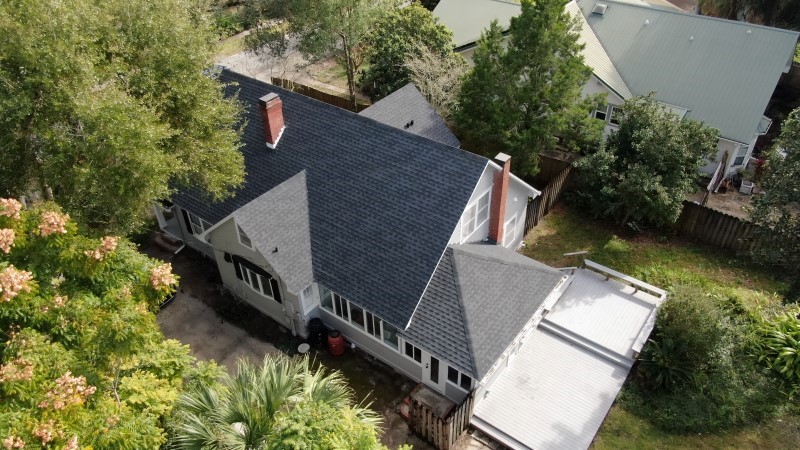
Florida sunshine is beautiful, but it is tough on roofs. High UV, daily heat cycles, and heavy summer storms slowly break down shingles, tile, metal, and flat systems. This guide explains what heat really does to your roof, why regular roof inspections in DeLand, FL protect your home, and which fixes help your roof last longer. If you have not had a checkup this year, it is smart to schedule a roof inspection before peak summer.
Homeowners around Victoria Park, Glenwood, and near Stetson University see the same pattern each year. Heat and humidity rise, attics trap hot air, and small roof issues grow. You can learn more on our site, and many families start at the home page when comparing options for roof inspections in DeLand, FL.
Florida Heat, UV, and Your Roof: What Really Happens
Roofs in Central Florida handle two main stressors every day: temperature swings and UV exposure. As the sun heats your roof at midday and it cools at night, materials expand and contract. Over time that movement loosens fasteners, opens tiny gaps, and wears sealants.
UV rays also dry out protective oils and binders in shingles. Granules loosen, colors fade, and the surface gets brittle. On tile and metal roofs, UV and heat can age underlayments, crack old mastics, and weaken gaskets around vents. Flat roofs face heat-softening and then re-hardening, which speeds surface wear.
Why Roof Inspections in DeLand, FL Matter in Extreme Heat
Local summers bring long, bright days, afternoon downpours, and high humidity. It is the perfect recipe for hidden leaks and warped materials. A trained roofer knows where heat damage hides and how to document issues for repairs before storms arrive. **Schedule inspections before summer** so you find trouble early instead of during the first lightning-packed afternoon.
Routine checkups are also about energy use. A roof that reflects more sun and breathes well helps your air conditioner run less. That keeps rooms comfortable and gives your roof a longer life.
Thermal Expansion: How Movement Cracks and Loosens Materials
Think of your roof like a long bridge. Bridges use joints to absorb movement. Your roof has joints too, but when heat swells materials day after day, wear shows up at seams and edges. Shingles cup and curl. Nails can back out a bit. Tiles shift on battens. Metal panels click and pop as they slide slightly under screws.
Expansion also stresses flashing where different materials meet, like at chimneys, skylights, and walls. Even a narrow gap can draw in wind-driven rain. Inspections catch those early signs before they turn into stained ceilings or soft decking.
UV Damage: Fading, Brittleness, and Granule Loss
UV radiation is like sandpaper. It slowly removes the protective top layer of shingles by knocking granules loose. Once you can see a lot of bare asphalt, the shingle ages faster and gets brittle. On tile roofs, UV and heat age the underlayment beneath the tiles, which is your last defense against leaks. Metal roofs can chalk and fade, and older sealants around screws and trim can dry and split.
UV wear is easy to underestimate because it looks cosmetic at first. A pro inspection notes color changes, uneven granule patterns, and cracked sealants that signal bigger issues ahead.
Trapped Heat: Ventilation and Insulation Problems
Attics in DeLand often get very hot on summer afternoons. Without steady airflow, that heat cooks the roof from below and adds moisture stress. Poor ventilation can void manufacturer warranties and shorten the life of shingles, underlayment, and plywood.
Improving attic airflow is one of the best upgrades for Florida homes. Ridge and soffit vents work together to pull heat out while resisting wind-driven rain. Pairing balanced ventilation with proper insulation keeps rooms cooler and helps stop condensation that leads to mold and wood rot. **Never ignore attic heat or musty smells**, since both usually point to airflow trouble.
Heat-Ready Solutions That Protect Your Roof
Every roof is different, but these upgrades fight Florida heat and UV while improving comfort inside the home:
- Reflective options and cool-color shingles that lower surface temperature and slow aging
- High-temp underlayments that hold up under tile and metal in strong sun
- Balanced ridge and soffit ventilation to move hot, moist air out of the attic
- Targeted sealant and flashing renewals around penetrations and transitions
- Elastomeric or silicone coatings on the right low-slope or metal systems
If you are comparing surfaces for better heat control, browse our reflective roof types to see which materials fit Florida homes. **Sealants and coatings are not one-size-fits-all**, so having a pro match the product to your roof type matters.
What We Look For During a Summer Roof Inspection
A careful inspection from ACC Roofing checks heat and UV wear from ridge to eave. Here is a snapshot of what a pro evaluates in warm months:
- Shingle condition: curling, cupping, cracking, or missing granules
- Tile and metal movement: slipped tiles, loose fasteners, oxidized screws, failing gaskets
- Flashing and sealants: dried mastic, open laps, gaps at skylights, chimneys, and walls
- Underlayment aging: blistering, brittleness, or exposed sections
- Attic airflow: blocked soffits, undersized ridge vents, and signs of moisture
- Gutters and edges: heat-warped drip edge, sagging sections that trap water
If our team flags problems, we prepare a clear plan so you can act before storms. You can also review more background in our roofing articles to understand how Florida weather affects materials.
Seasonal Timing for DeLand Homes
In late spring, roofs have not yet baked through the hottest stretch. That makes it an ideal moment to fix minor issues. After major summer storms, a quick re-check helps catch loose shingles, lifted flashing, and sealant splits. Fall brings cooler days but plenty of sun, so keeping a regular schedule each year helps your roof stay ahead of the heat curve.
Energy Savings and Indoor Comfort
Small changes add up. A cooler roof surface and proper attic airflow reduce heat transfer into your living space. That means shorter A/C run times and more even room temperatures. Choosing Florida energy efficient roofing options can also reduce wear on HVAC equipment. Combined with routine inspections, these steps stretch the useful life of your roof and make your home feel better all summer.
When Heat Damage Means It Is Time to Repair or Replace
Not every roof needs a big project. Many heat-related issues can be handled with targeted repairs. When shingles are brittle across large areas, underlayment is worn through, or fasteners and seams show wide failure, replacement may be the right call. A trusted local roofer will document what they see and explain the safest path forward without pressure. **Choose a licensed local roofer** that stands behind their work and communicates clearly.